Weebly used to be one of the easiest ways to launch a small business website without technical help. It made drag-and-drop editing feel genuinely approachable at a time when most platforms still demanded templates, code, or a developer on call. For a particular generation of small business owners, it was the platform that got their first website published and that accomplishment was real.
The market has moved considerably since then. And more importantly, Weebly has not moved with it. Since Square’s acquisition in 2018, development has effectively stalled. The mobile app was discontinued. The app store has been closed to new submissions since 2020. Square now directs new users toward its own Square Online product rather than Weebly, which is about as clear a signal as a platform owner can send about where its priorities lie.
What this means practically: Weebly still loads, still hosts pages, and still allows basic edits. But it is not being maintained as a competitive product. Every month that competitors ship new features, Weebly users fall further behind – not through any fault of their own, but because the platform they are on has stopped moving. This review is honest about where Weebly still does the job and where that gap has become too wide to ignore.
What Weebly Is Trying to Be
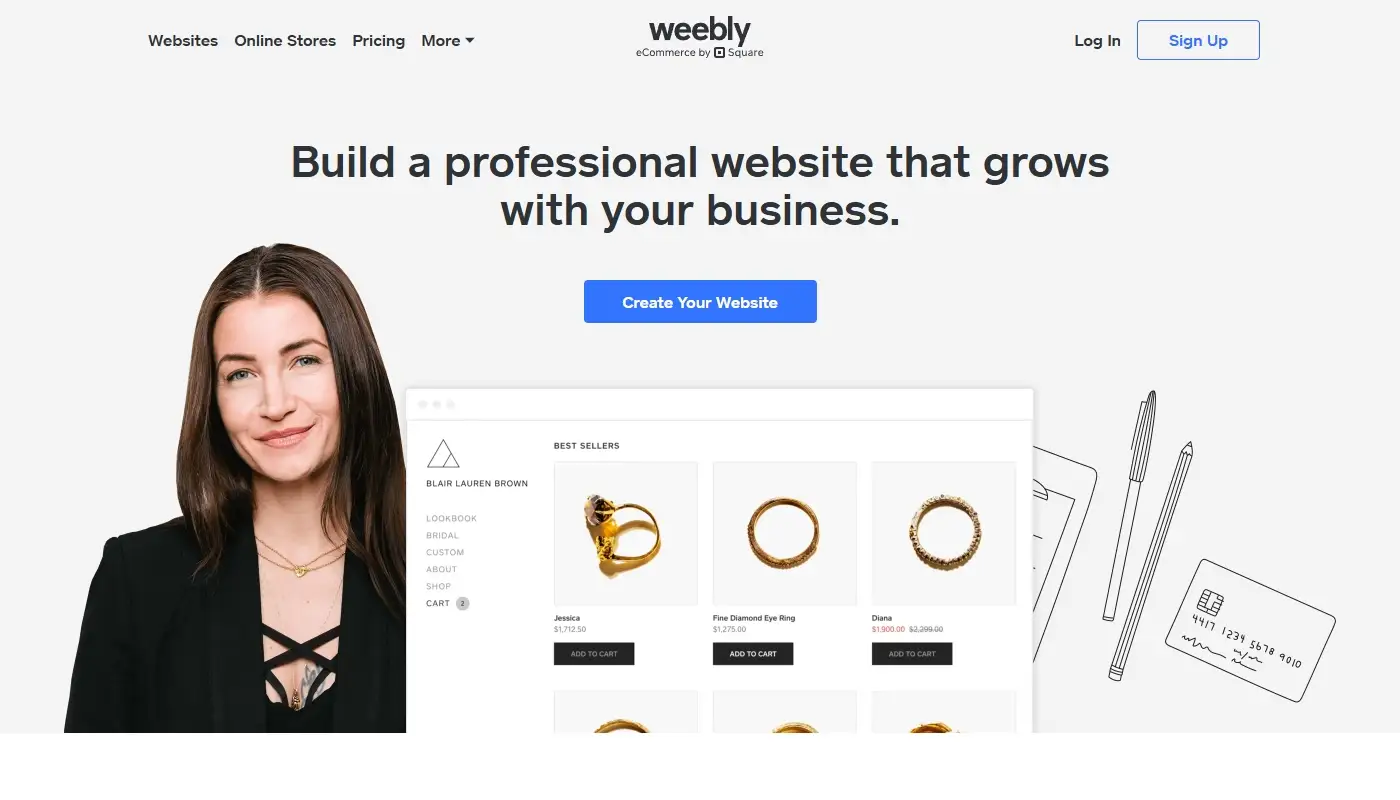
At its core, Weebly is a hosted website builder. You log in, choose a theme, add content blocks, and publish. Hosting, SSL, and platform maintenance are handled in the background – you never touch a server. For non-technical teams, that zero-configuration model was the entire appeal: a website that could be launched and managed without involving a developer at any stage.
The platform was designed around a specific type of site: the small business brochure. A homepage, a services or product page, a contact form, maybe a gallery. Structured, predictable, and easy to update. For that use case at the time Weebly was built, it was a genuinely good solution.
The challenge is that the use case has evolved and Weebly has not. Small business websites today are expected to do considerably more: rank in competitive searches, convert visitors who have never heard of the business, connect to marketing and CRM tools, publish content consistently, and adapt quickly when the business changes direction. Weebly’s architecture was not designed for that, and nothing has been added since the acquisition to bridge the gap.
Where Weebly Still Performs Well
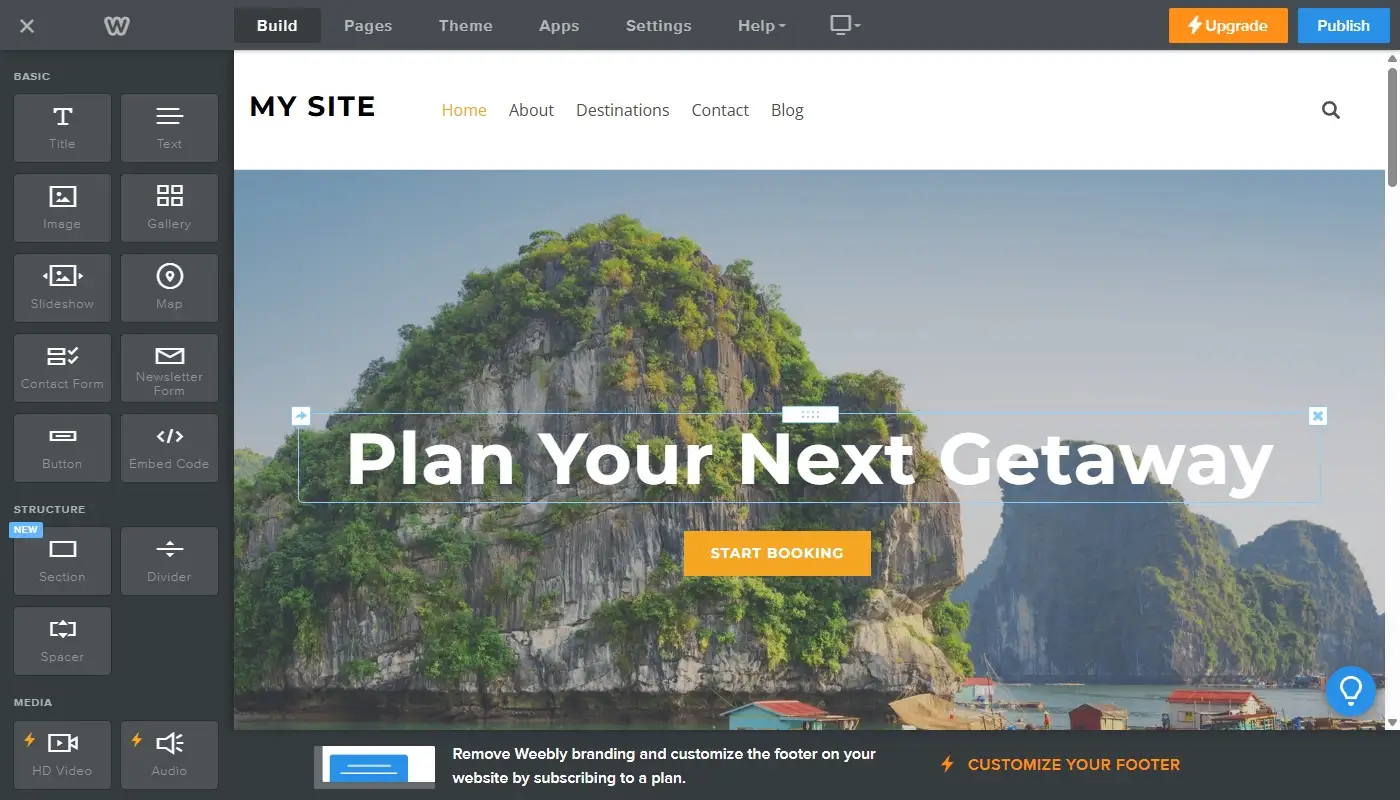
The clearest remaining argument for Weebly is operational familiarity. If a site has been running for several years, the owner knows where everything is, how to make basic edits, and what the platform will and will not do. There is real value in not introducing disruption – switching platforms takes time and attention, and for a business that is not relying on its website as an active growth channel, avoiding that disruption is a reasonable choice.
Weebly also remains genuinely easy for basic maintenance. Updating text, replacing images, adjusting contact information – these tasks work without friction. For a site whose job is simply to exist: to confirm that the business is real, to display an address and phone number, to give existing customers a place to find opening hours – Weebly continues to serve that function without requiring anything from the owner.
The honest summary: Weebly works for sites that are finished. If the website’s purpose is to stay largely the same from one year to the next, the platform’s stagnation is not a problem in practice. The problem emerges when the business starts wanting more from the site than the platform can give.
Where Weebly Starts to Fall Behind in 2025
Design flexibility runs out quickly
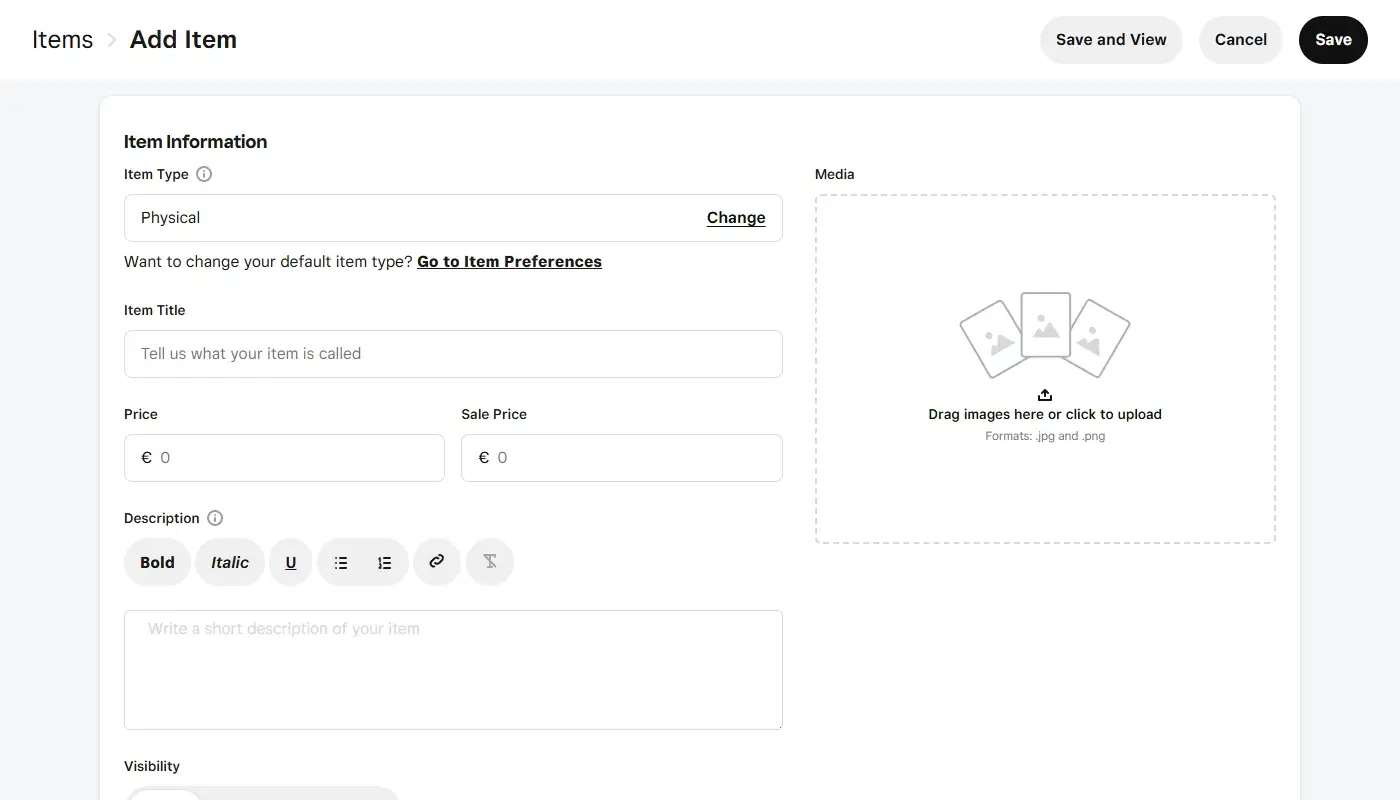
The editor gives you content blocks you can move within a fixed structure. What it does not give you is the ability to design a page around a specific goal – a layout built to guide a visitor from a problem they recognise to a solution you offer to a form they submit. Landing pages, campaign pages, and service-specific pages that need to reflect a clear narrative and a strong conversion path are difficult to build on Weebly because the template logic resists the kind of structural control these pages require. You end up making compromises imposed by the builder, not creative choices.
The app ecosystem has stopped growing
In 2020, Weebly closed its app store to new submissions. The integrations available today are the same ones that existed several years ago – and some of those no longer function correctly. When a business wants to connect a modern CRM, set up marketing automation, or integrate an analytics platform beyond the basics, the options are limited to awkward embeds or tools that were built for a different version of the web. The gap between what a business needs its marketing stack to do and what Weebly’s ecosystem can natively support has widened consistently.
SEO capability is structurally limited
Weebly supports basic on-page SEO: titles, meta descriptions, alt text. It does not support schema markup, has no redirect manager, generates outdated HTML that affects crawl efficiency, and has no tools for AI-powered search visibility – the emerging category of optimization that affects how businesses appear in ChatGPT, Perplexity, and Google AI Overviews. For a business that depends on organic traffic as an acquisition channel, these are not minor gaps. They represent structural disadvantages that compound over time.
No investment in what comes next
Modern website platforms are actively adding AI tools – content generation, design assistance, automated optimization suggestions. Wix, Squarespace, and others ship new features on a regular cadence with public roadmaps. Weebly has no roadmap, no changelog, and no AI capabilities of any kind. The platform will not add these things, because Square is no longer developing it.
For owners who have reached any of these friction points, the Wix Review covers what the upgrade experience looks like specifically from a Weebly starting point. For a broader view of available alternatives, other platforms similar to Weebly are worth comparing before deciding on a direction.
Pricing and the Cost You Do Not See
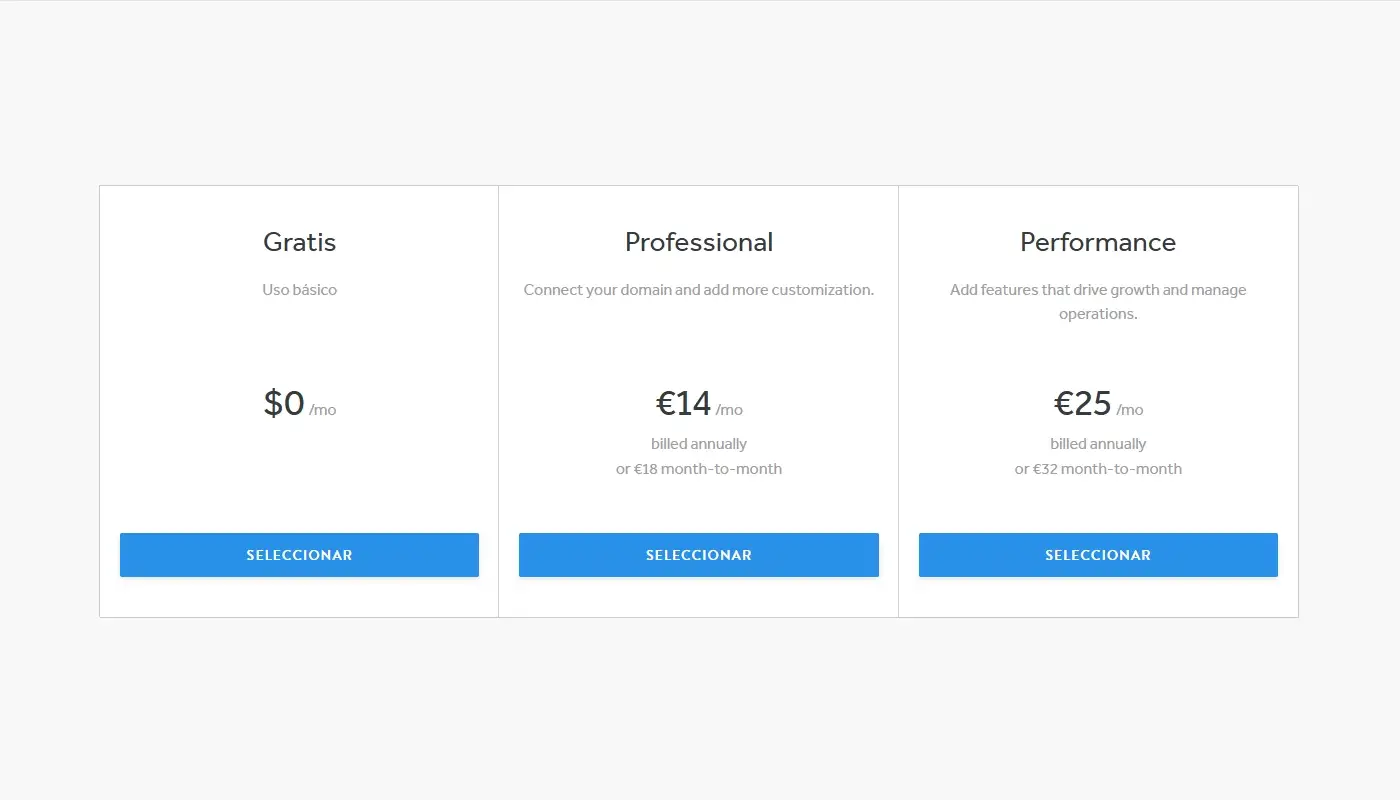
Weebly’s subscription cost is low, which is one of the reasons many owners stay longer than the platform’s limitations justify. The pricing feels like a saving. The actual economics are more complicated.
Every hour spent trying to get a page to look right in an editor that resists the change you want is a cost. Every campaign postponed because building a proper landing page requires more effort than the campaign itself is a cost. Every lead that arrives at a site that looks like it was designed several years ago and bounces without making contact is a cost. These do not appear on a subscription invoice, but they are real, and they compound.
The more actively a business uses its website – publishing content, running campaigns, testing conversion paths, connecting tools – the more significant these hidden costs become relative to the subscription saving. For businesses at that stage, the platform decision is not really a cost comparison. It is a question of whether the website is helping the business grow or slowing it down.
The Weebly vs Wix comparison works through this in practical terms: what each platform costs in total, not just what it charges per month.
Who Weebly Still Works For
Weebly remains a workable choice in a specific and narrow set of circumstances. If the website is stable, the content changes infrequently, the design was adequate to begin with and does not need to evolve, and the business does not rely on organic search or active marketing campaigns to generate new business – then staying on Weebly costs very little and disrupting it achieves very little.
The clearest example: a local business that gets all its work through referrals and word of mouth, uses the website primarily so that referred prospects can verify the business is legitimate, and has no immediate plans to invest in digital marketing. For that business, Weebly’s limitations are invisible because the site’s job is minimal.
For most other businesses – those that want search visibility, those that run campaigns, those that are building a brand in a competitive market, those that want to update the site regularly without fighting the editor – the platform’s limitations are not invisible. They show up in every session.
When It Might Be Time to Leave Weebly
The decision to move is rarely dramatic. It tends to crystallise around a specific moment: a redesign you cannot execute, an integration that will not connect cleanly, a competitor’s site that looks considerably more credible than yours, or a campaign you want to run that the platform cannot support without three separate workarounds.
Practical signals that the platform has become the bottleneck:
- You have postponed a page or section update because building it in Weebly requires too much effort relative to the result
- You are embedding third-party tools to compensate for functionality the platform does not offer natively
- The site looks dated compared to competitors in your market, and the template system makes meaningful redesign impractical
- You are investing in SEO or content marketing and the platform’s structural limitations are reducing the return on that investment
- You want to move quickly – publish a new service page, launch a campaign, test a layout – and the editor slows you down instead of enabling you
If these patterns are familiar, the question is not whether to move. It is when and how to do it without losing what the existing site has already built.
A structured migration to Wix preserves the content and page architecture of the current site, rebuilds key layouts in a more capable editor, and handles URL mapping so that search visibility is maintained rather than discarded. The result is a site that feels like an upgrade rather than a reset – the same business, represented more accurately, on a platform that can keep improving.
On weexly.net, that is exactly what the migration service is built to deliver: a clean, planned move from Weebly to Wix that removes the platform constraints without introducing unnecessary disruption.